
Cell Phones for Seniors Designed Around Real Technical Needs and Daily Reliability
Compare the most reliable cell phones for seniors in the U.S., with deep technical specifications, real-world usability analysis, and pricing insights.
Modern mobile technology can empower older adults when it is designed with clarity and purpose.
Cell phones for seniors focus on reliability, accessibility, and safety rather than unnecessary complexity. The goal is to provide devices that remain usable, responsive, and comfortable over years of daily use.
Understand how an artificial intelligence leadership course equips leaders to evaluate AI investments, manage risk, and drive innovation.
Technical Priorities That Define Cell Phones for Seniors 🎯
Unlike flagship smartphones, cell phones for seniors are engineered with stability and usability as their primary metrics.
Technical decisions are made to reduce friction, not to chase benchmark scores.
Key priorities include display readability over resolution density, battery efficiency over charging speed, audio clarity over multimedia tuning, and software optimization.
A phone that feels predictable and responsive is far more valuable than one filled with advanced features that remain unused.
Senior-Focused Smartphones With Deep Technical Evaluation 📲
Smartphones can be excellent cell phones for seniors when hardware and software are aligned with accessibility needs. Below are models evaluated beyond surface-level features.
Jitterbug Smart4 With System-Level Accessibility Design 🟢
The Jitterbug Smart4 runs a heavily customized Android operating environment that removes unnecessary layers of complexity.
Its 6.75-inch IPS LCD display emphasizes brightness and contrast rather than extreme sharpness, which reduces visual fatigue.
The phone relies on a Qualcomm mid-tier chipset optimized for consistent performance at low thermal output.
This ensures smooth calling, messaging, navigation, and video communication without sudden slowdowns. Memory management prioritizes system stability over multitasking.
Audio is a standout feature. Dual front-facing speakers deliver high volume with reduced distortion, and full HAC certification ensures compatibility with hearing aids.
Emergency assistance is integrated at the firmware level, ensuring reliability even under low battery conditions.
This model suits seniors who want smartphone capabilities with minimal cognitive load.
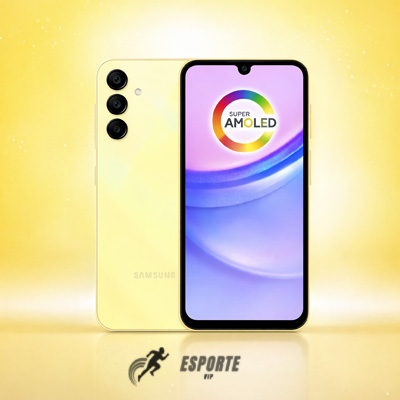
Samsung Galaxy A15 With Battery-Centric Hardware Design 🔵
Configured properly, the Samsung Galaxy A15 becomes one of the most balanced cell phones for seniors.
Its 6.5-inch HD+ PLS LCD panel offers sufficient resolution while maintaining large text and icons.
Powered by a MediaTek Helio processor, the device prioritizes energy efficiency.
Combined with up to 6GB of RAM, the phone handles messaging apps, video calls, and browsing without stutter.
Thermal management ensures stable performance even during extended use.
The 5000 mAh battery is a major advantage, often delivering two full days of light usage.
Samsung’s accessibility suite includes visual adjustments, voice interaction, and hearing aid support, making this a strong mid-range option.
iPhone SE 3rd Generation With Flagship-Class Internals 🍎
Among cell phones for seniors, the iPhone SE stands out for long-term reliability.
Its A15 Bionic processor delivers exceptional performance headroom, ensuring smooth operation for many years.
The 4.7-inch Retina display offers excellent pixel density and color accuracy. With font scaling enabled, text remains extremely sharp.
The physical Home button provides tactile navigation, reducing accidental input.
Apple’s accessibility framework includes VoiceOver, AssistiveTouch, Emergency SOS, and extensive hearing aid compatibility.
Although battery capacity is modest, software-level optimization maintains predictable daily usage.
This phone is ideal for seniors who value longevity, security updates, and compact ergonomics.
Google Pixel 8a With AI-Assisted Accessibility 🧩
The Pixel 8a integrates hardware and software to enhance voice-first interaction.
Its 6.1-inch OLED display offers deep contrast, making text and icons easy to distinguish even at lower brightness levels.
The Tensor G3 processor focuses on AI-driven features such as voice transcription, call screening, and spam filtering.
These functions reduce unwanted interruptions and simplify communication for seniors.
Microphone quality and noise reduction are excellent, supporting clear calls even in noisy environments. Regular security updates and clean software design ensure long-term stability.
This device suits seniors comfortable with touchscreens who rely heavily on voice commands.
Technical Overview of Senior-Friendly Smartphones 💲
| Model | Display | Chipset | Battery | Avg. Price |
| Jitterbug Smart4 | 6.75″ LCD | Qualcomm mid | All-day | $149–$179 |
| Galaxy A15 | 6.5″ LCD | Helio series | 5000 mAh | $190–$230 |
| iPhone SE (3rd) | 4.7″ Retina | A15 Bionic | Moderate | $429–$479 |
| Pixel 8a | 6.1″ OLED | Tensor G3 | All-day | $449–$499 |
Basic Cell Phones for Seniors With Hardware Simplicity ☎️
For users prioritizing tactile feedback, basic cell phones for seniors remain essential. These devices focus on voice reliability and minimal maintenance.
Jitterbug Flip2 With Call-Centered Engineering 🔴
The Jitterbug Flip2 uses a reinforced flip mechanism and a 3.2-inch internal display optimized for readability.
Large physical keys reduce input errors, and the speaker system delivers high volume with clear mids.
Battery efficiency allows up to 12 days of standby, minimizing charging frequency.
Emergency features are hardware-triggered, ensuring dependable access without navigating software menus.
Nokia 2780 Flip With Durable Internal Components 🟡
The Nokia 2780 Flip is powered by a Snapdragon 215 chipset, chosen for stability rather than speed. Its 2.8-inch internal display and large buttons support easy navigation.
Signal reception and call quality are particularly strong, and the battery supports multiple days of regular use. The phone’s durable build makes it suitable for long-term ownership.
Comparison of Basic Cell Phones for Seniors 💼
| Model | Display | Button Size | Standby Time | Avg. Price |
| Jitterbug Flip2 | 3.2″ | Extra large | Up to 12 days | $99–$119 |
| Nokia 2780 Flip | 2.8″ | Large | Several days | $89–$109 |
Matching Cell Phones for Seniors to Lifestyle and Abilities 🛒
Choosing cell phones for seniors requires matching hardware characteristics to individual needs.
Touchscreen comfort, hearing ability, eyesight, and daily usage patterns all influence satisfaction.
Smartphones provide flexibility and communication tools, while basic phones offer predictability and peace of mind.
Understanding these trade-offs ensures a device that remains helpful rather than frustrating.
Why Cell Phones for Seniors Offer Sustainable Long-Term Benefits 🌱
Well-designed cell phones for seniors support independence, safety, and social connection.
When technical choices prioritize stability and clarity, phones remain useful for years without overwhelming users.
The right device becomes a reliable daily tool, strengthening communication and confidence while adapting to changing needs over time.
FAQ ❓
- What technical factor matters most for seniors?
- Display readability, audio clarity, and battery consistency.
- Are flagship processors necessary?
- They improve longevity but are not required for basic use.
- Do AI features help seniors?
- Yes, especially voice control and call screening.
- Are flip phones outdated?
- No, they remain ideal for tactile, call-focused use.
- How long should a senior phone last?
- Ideally 4 to 6 years with proper software support.
