
Jeep Wagoneer Lease Deals Explained for Smart Luxury SUV Shoppers in the U.S.
Learn how Jeep Wagoneer lease deals work in practice, what drives monthly payments, and how to secure favorable terms before stepping into a luxury full-size SUV.
The Jeep Wagoneer occupies a unique position in the American SUV market, combining full-size proportions and strong towing capability with a brand rooted in utility.
For many drivers, leasing has become the preferred way to access this level of vehicle without committing to long-term ownership costs.
Leasing a full-size SUV can be a strategic financial decision when you understand residual values, mileage limits, and incentive structures offered by manufacturers and dealers.
Discover how auto loan pre approval gives you total visibility over rates, loan limits, and payment structure before any conversation begins.
How Leasing a Jeep Wagoneer Differs from Buying 📊
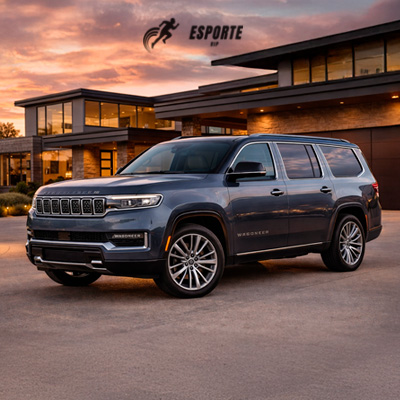
Leasing a Jeep Wagoneer is fundamentally different from financing or paying cash.
When you lease, you pay for the portion of the vehicle’s value that is used during the lease term rather than the entire purchase price.
Monthly payments are influenced by the negotiated selling price, residual value, money factor, lease duration, and mileage allowance.
Because the Wagoneer retains value relatively well for its segment, leasing can be competitive compared to financing, especially for drivers who prefer upgrading vehicles every few years.

Factors That Shape Jeep Wagoneer Lease Payments 💼
Several variables determine the final monthly payment on a Wagoneer lease. Understanding these elements allows consumers to evaluate offers beyond headline pricing.
Key payment drivers include:
- MSRP versus negotiated price, which directly affects depreciation
- Residual value percentage, set by the leasing company
- Money factor, functioning similarly to an interest rate
- Lease term length, typically 24 to 39 months
- Mileage limits, influencing residual assumptions
Each of these factors can be adjusted during negotiation, particularly the selling price and mileage structure.
Typical Lease Structures for the Jeep Wagoneer 🚗
Most Jeep Wagoneer lease deals are structured around mid-length terms that balance affordability with flexibility.
Shorter terms carry higher payments but preserve warranty coverage, while longer terms reduce monthly cost but increase wear exposure.
Common lease configurations include:
- 36-month leases, the most popular balance of cost and coverage
- 39-month leases, sometimes offering lower advertised payments
- Mileage allowances of 10,000 to 15,000 miles per year
- Optional upfront payments, lowering monthly obligations
Choosing the right structure depends on driving habits and replacement timelines.
Estimated Lease Cost Ranges by Term 💵
Leasing costs vary by trim level, incentives, and region, but understanding approximate ranges provides context during negotiations.
| Lease Term | Annual Mileage | Estimated Monthly Range | Typical Due at Signing |
| 24 months | 10,000 miles | $850–$1,050 | $3,000–$5,000 |
| 36 months | 12,000 miles | $750–$950 | $3,500–$6,000 |
| 39 months | 15,000 miles | $780–$1,000 | $4,000–$6,500 |
These ranges fluctuate based on incentives, dealer discounts, and credit profile.
Incentives and Promotions That Improve Lease Deals 🏦
Jeep periodically offers lease incentives designed to stimulate demand, particularly during model-year transitions. These incentives can significantly reduce effective monthly cost.
Common incentives include:
- Lease cash bonuses, applied directly to the capitalized cost
- Loyalty programs, rewarding returning Jeep customers
- Conquest offers, targeting drivers from competing brands
- Dealer-specific discounts, varying by region
Monitoring incentive timing often yields better lease outcomes than negotiating price alone.
Who Benefits Most from Jeep Wagoneer Leasing 🔑
Leasing a Wagoneer suits drivers who value predictability and flexibility. It is particularly appealing to households that prefer driving newer vehicles under warranty coverage.
Leasing tends to work best for:
- Drivers who upgrade vehicles every few years
- Families seeking a luxury SUV without long-term ownership
- Consumers prioritizing lower upfront commitment
- Professionals who value predictable monthly expenses
For long-term ownership or high annual mileage, financing may be more suitable.
This shift explains why car financing online has moved from convenience to necessity in today’s auto market.
Ownership Costs and Lease-End Considerations 📈
While leasing limits depreciation risk, drivers must plan for lease-end responsibilities. Excess mileage and wear charges can increase total cost if not managed properly.
Planning strategies include selecting appropriate mileage caps and maintaining the vehicle carefully throughout the lease term.
Some drivers also explore lease buyout options if market conditions make ownership attractive at the end of the contract.
A Balanced View on Jeep Wagoneer Lease Deals 🚀
Jeep Wagoneer lease deals offer a structured path into the full-size luxury SUV segment with predictable costs and modern features.
The key is understanding how residual values, incentives, and negotiated pricing interact.
When evaluated carefully, leasing a Wagoneer can provide premium comfort, capability, and flexibility without the long-term financial exposure of ownership.
FAQ ❓
- Are Jeep Wagoneer lease deals better than financing?
- Leasing can offer lower monthly payments for drivers who prefer short-term ownership.
- What credit score is usually needed for a good lease?
- Strong credit typically qualifies for the best money factors and incentives.
- Can lease terms be negotiated?
- Yes, selling price, mileage limits, and incentives are often negotiable.
- Are maintenance costs included in a lease?
- Routine maintenance is usually the lessee’s responsibility unless specified.
- Is buying the Wagoneer at lease end a good idea?
- It can be, depending on residual value and market conditions at lease end.
