
Cell Phones for 11 Year Olds: In-Depth Technical Analysis of Hardware, Software, and Real-World Performance
Learn how cell phones for 11 year olds can deliver long-term stability, security, and controlled performance when each technical component is chosen correctly.
Choosing smartphones for children requires a deeper technical evaluation than many parents initially expect.
Devices used by eleven-year-olds face constant handling, frequent charging cycles, and long daily usage windows tied to school and activities.
Analyze detailed hardware specifications and understand how processors, memory, batteries, and software updates affect durability and real-world performance for kids.
Choose the best cell phones samsung: understand processors and long-term software support to protect your investment.
Why Deeper Technical Analysis Matters for Cell Phones for 11 Year Olds 📱
Phones used by children are often kept longer than adult devices and receive fewer upgrades.
Technical weaknesses become visible over time, especially in low-end models with poor optimization.
For cell phones for 11 year olds, long-term usability depends on balanced hardware, efficient operating systems, and sustained security updates.
Understanding internal specifications helps families avoid early slowdowns, battery degradation, and software incompatibility.
Core Technical Criteria Used in This Evaluation ⚙️
Each smartphone below is analyzed using the same technical framework. This ensures consistent comparison and realistic expectations.
Evaluation criteria include:
- CPU architecture and fabrication process
- RAM type and background app handling
- Storage speed and expansion support
- Battery chemistry and charging behavior
- Thermal management under continuous use
- Software update policy and security patch frequency
These factors collectively define the reliability of cell phones for 11 year olds over time.
Samsung Galaxy A14 – Detailed Technical Profile 📱
The Samsung Galaxy A14 is built around an entry-level to mid-range processor designed for efficiency rather than peak power.
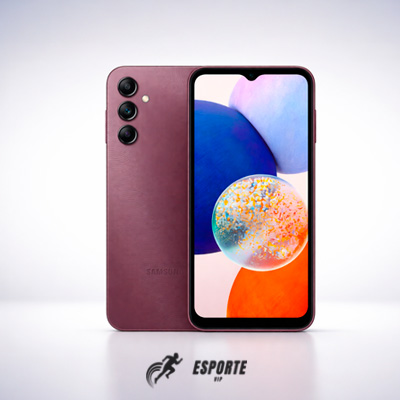
Its chipset uses energy-efficient cores that handle messaging, video streaming, and educational apps without excessive heat generation.
With 4 GB of RAM (and variants offering more), memory management remains stable for basic multitasking.
Background apps reload occasionally, but performance degradation is minimal for its target usage.
Storage typically starts at 64 GB using eMMC technology, which is slower than flagship standards but sufficient for light workloads.
The battery capacity exceeds 5,000 mAh, using lithium-polymer chemistry optimized for long cycle life.
Combined with a low-power display, the phone consistently reaches full-day usage. Samsung’s software layer supports regular security updates.
Motorola Moto G Power – Cell Phones for 11 Year Olds Profile 🔋
The Moto G Power prioritizes battery endurance at the hardware level. Its processor is deliberately underclocked to reduce power consumption and thermal output.
This design choice results in slightly slower app launches but significantly longer battery life.
RAM configurations typically start at 4 GB, paired with a near-stock Android environment. This combination reduces background overhead, improving stability even with modest hardware.
Storage performance is average, but microSD expansion allows parents to manage space efficiently.
The battery often exceeds 5,000 mAh and shows slower degradation due to conservative charging speeds.
Thermal performance is excellent, making the Moto G Power one of the most reliable cell phones for 11 year olds for long school days.
Nokia G50 – Detailed Technical Profile 🛠️
The Nokia G50 is engineered with durability and longevity in mind. Its Snapdragon processor uses a balanced core layout that prioritizes sustained performance over bursts of speed.
This ensures consistent responsiveness during calls, navigation, and learning apps.
Memory handling benefits from Nokia’s clean Android implementation, which minimizes background processes.
Storage is typically UFS-based, offering better read and write speeds than many entry-level competitors.
Battery capacity is supported by efficient power management, and Nokia’s commitment to extended security updates significantly improves device lifespan.
From a technical longevity standpoint, this makes it one of the more future-proof cell phones for 11 year olds.
iPhone SE (3rd Generation) – Detailed Technical Profile 🍎
The iPhone SE uses a high-performance processor far exceeding the needs of a child.
However, iOS aggressively manages resources, preventing unnecessary background activity and ensuring smooth operation over many years.
RAM capacity is lower on paper compared to Android devices, but Apple’s memory optimization compensates effectively.
Storage speeds are significantly faster due to NVMe architecture, reducing lag during updates and app launches.
Battery capacity is smaller, but power efficiency of the chipset and operating system offsets this limitation.
Long-term software support and frequent security updates make it one of the safest cell phones for 11 year olds from a cybersecurity perspective.
Samsung Galaxy A04e – Cell Phones for 11 Year Olds Profile 📊
The Galaxy A04e represents the lower boundary of acceptable hardware for children. Its processor handles basic tasks reliably but struggles with heavier multitasking.
This limitation can actually be beneficial by naturally discouraging excessive gaming.
RAM is limited, making app reloads more frequent, but the system remains usable for calls, messaging, and light app use.
Storage relies on slower memory standards, reinforcing the importance of microSD expansion.
Battery capacity remains adequate due to the low-power processor. With proper parental controls, it functions as a cost-effective entry point among cell phones for 11 year olds.
Explore how advanced cell phones for seniors combine accessibility-focused hardware, stable performance, and safety-driven software.
Comparative Technical Summary of the Five Models 📊
| Model | CPU Focus | Battery Endurance |
| Galaxy A14 | Balanced efficiency | High |
| Moto G Power | Maximum endurance | Very high |
| Nokia G50 | Longevity-focused | High |
| iPhone SE 3 | High efficiency | Moderate |
| Galaxy A04e | Basic usage | Moderate |
Thermal Behavior and Device Safety 🔥
Thermal stability is often overlooked but critical for children’s devices. Phones that overheat degrade batteries faster and become uncomfortable to handle.
All five models maintain safe operating temperatures under normal usage, though the Moto G Power and Nokia G50 show superior thermal consistency.
Stable thermals improve comfort, safety, and device lifespan.
Long-Term Cell Phones for 11 Year Olds Technical Value and Replacement Cycles 💰
From a technical standpoint, mid-range devices with clean software offer the best return on investment.
Frequent replacements often result from poor memory management or short software support cycles.
Choosing technically balanced cell phones for 11 year olds reduces replacement frequency and total ownership cost.
Why Hardware Balance Matters More Than Raw Power 🚀
For children, the goal is reliability, safety, and simplicity. Overpowered devices increase cost without meaningful benefit, while underpowered devices lead to frustration.
By focusing on processor efficiency, memory stability, battery health, and software updates, families ensure cell phones for 11 year olds remain usable, secure, and stress-free for years.
FAQ ❓
- Why is processor efficiency more important than speed for kids?
- Efficient processors improve battery life and reduce overheating.
- Does more RAM always mean better performance for children?
- Adequate RAM helps, but software optimization matters just as much.
- Are software updates critical for kids’ phones?
- Yes, updates improve security and compatibility over time.
- Which phone lasts longest technically?
- Devices with clean software and long update policies last the longest.
- Is it worth buying older flagship phones for kids?
- Often no, as battery wear and repair costs outweigh performance benefits.
