
Choose the Best Smartphones for Kids Today and Keep Your Child Safe, Connected, and Learning
Learn how smartphones for kids can combine safety, learning tools, and parental control features for a smarter digital experience.
Choosing the right smartphones for kids is one of the most important decisions parents can make in a digital-first world.
A child’s first phone is not just about communication—it’s about safety, education, and controlled access to technology.
With the right model and features, you can ensure your child stays connected while also developing healthy digital habits that support long-term growth.
Find the best cell phones under 300, compare battery, performance, and software support to choose a reliable, budget-friendly smartphone.
Why Smartphones for Kids Are Essential in Today’s Digital Environment 📱
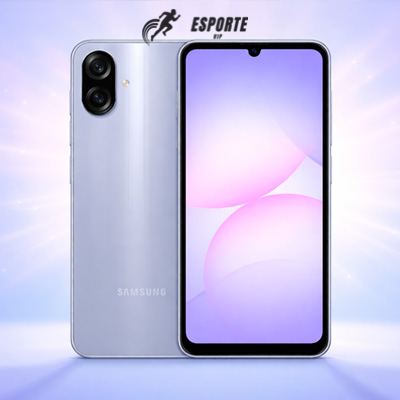
The demand for smartphones for kids has increased significantly as communication, education, and safety become more interconnected.
Parents now rely on smartphones not only to stay in touch but also to monitor their children’s activities in real time.
In addition, many schools and educational platforms require digital access, making smartphones a valuable learning tool.
When chosen correctly, these devices provide a balance between entertainment and responsibility, helping children adapt to technology in a structured way.
How to Choose the Right Smartphones for Kids Based on Age and Needs 🎯
Selecting the best kids phones depends on age, maturity level, and intended use.
Younger children typically need simpler devices with strong parental controls, while older kids may require more advanced features.
Key factors to consider include:
- Ease of use and intuitive interface
- Built-in parental control systems
- Durability and resistance to drops
- Battery life for all-day use
Matching these features to your child’s needs ensures a safer and more effective experience.
Best Smartphones for Kids You Should Consider in 2026 🏆
When evaluating smartphones for kids, certain models stand out for their balance of performance, safety, and affordability.
Apple iPhone SE as a Reliable Smartphone for Kids 🍏
The iPhone SE is a strong option due to its compact design, powerful performance, and advanced parental control features.
Advantages include:
- Screen Time parental controls
- Long-term software updates
- Strong security ecosystem
Samsung Galaxy A Series 📊
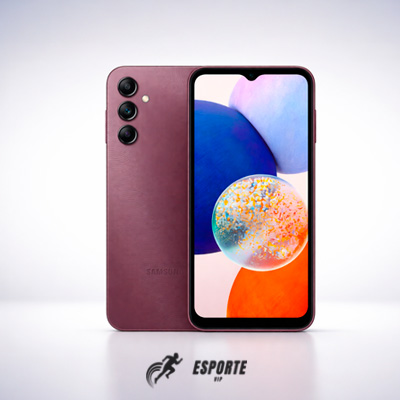
Samsung’s Galaxy A lineup offers excellent value and built-in parental features through Samsung Kids mode.
Key benefits:
- Affordable pricing
- Good battery life
- Customizable parental controls
Motorola Moto G Series 💡
Motorola devices are known for simplicity and reliability, making them ideal for first-time smartphone users.
Highlights:
- Clean Android interface
- Affordable price range
- Solid battery performance
Gabb Wireless Devices Designed Specifically for Kids 🔒
Gabb phones are built exclusively for children, focusing on safety and limited functionality.
Key features:
- No internet browser or social media apps
- GPS tracking capabilities
- Parent-controlled communication options
Comparison Table of Smartphones for Kids by Features 📊
| Model | Price Range | Parental Controls | Best For |
| iPhone SE | $400–$500 | Advanced | Older kids |
| Galaxy A Series | $250–$350 | Strong | Balanced use |
| Moto G Series | $200–$300 | Moderate | Beginners |
| Gabb Phone | $150–$200 | Maximum | Younger kids |
Key Safety Features to Look for in Smartphones for Kids 🔐
Safety should always be the top priority when selecting kids phones. Modern devices offer multiple tools to help parents monitor and control usage.
Important features include:
- Screen time limits and app restrictions
- GPS tracking and location sharing
- Content filtering and safe browsing
- Emergency contact and SOS features
These tools provide peace of mind while allowing children to explore technology safely.
Advantages and Challenges of Smartphones for Kids 📌
Understanding both benefits and risks helps parents make more informed decisions.
Benefits of Smartphones for Kids 👍
- Improved communication and safety
- Access to educational apps and resources
- Development of digital skills
- Real-time location tracking for parents
Challenges Parents Should Manage ⚠️
- Screen time overuse
- Exposure to inappropriate content
- Risk of online interactions with strangers
Balancing these factors is essential for a healthy digital environment.
Choose the best cell phones samsung: understand processors and long-term software support to protect your investment.
Smart Parenting Strategies When Using Smartphones for Kids 💡
Managing smartphones for kids effectively requires active involvement from parents. Setting clear boundaries and expectations is crucial.
Consider these strategies:
- Establish daily screen time limits
- Monitor app usage regularly
- Encourage offline activities and balance
- Maintain open communication about online safety
These actions help children develop responsible technology habits.
Build a Safe Digital Future with Smartphones for Kids 🚀
Choosing the right smartphones for kids is about more than just technology—it’s about guiding your child through the digital world responsibly.
By selecting the right device, using parental control tools, and maintaining active supervision, you can create a safe and productive environment.
With thoughtful planning, smartphones become powerful tools that support learning, communication, and growth while minimizing risks and promoting healthy digital habits.
FAQ ❓
- What is the best age for a child to get a smartphone?
- Most experts suggest ages 10 to 12, depending on maturity and responsibility.
- Are smartphones safe for kids?
- Yes, when parental controls and monitoring tools are used effectively.
- What features should I prioritize?
- Focus on parental controls, durability, and battery life.
- Can I monitor my child’s phone usage?
- Yes, most smartphones offer built-in parental control features.
- Should kids have unrestricted internet access?
- No, content filters and supervision are recommended for safety.
