
World Cup Champions: The Greatest Teams in FIFA World Cup History
Explore the remarkable journey of World Cup champions that have lifted football’s most prestigious trophy. From legendary dynasties to unforgettable finals.
Winning the FIFA World Cup is the ultimate achievement in international football.
Every four years, the world’s best national teams compete for the opportunity to lift one of the most recognizable trophies in sports.
Throughout nearly a century of competition, only a select group of countries has managed to become World Cup champions.
Each title represents years of preparation, exceptional talent, tactical excellence, and the ability to perform under immense pressure.
While every tournament creates new heroes, the greatest champions have built legacies that continue to influence football generations later.
Watch Brazil vs Haiti live with tactical analysis, predicted lineups, key stats, and crucial FIFA World Cup 2026 Group C implications.
The Exclusive Club of World Cup Champions 🏆
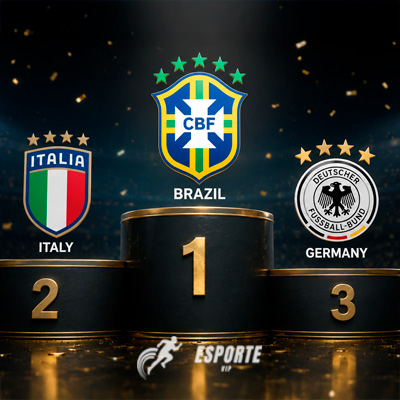
Unlike many sporting competitions, the World Cup has produced relatively few champions.
Only eight nations have won the tournament since it began in 1930, demonstrating how difficult it is to consistently succeed against the world’s strongest teams.
Every champion has developed its own football identity, whether through attacking creativity, defensive discipline, technical excellence, or tactical innovation.
Why Winning the World Cup Is So Challenging ⚽
International football presents unique challenges.
National teams have limited preparation time compared to club sides, yet they must quickly build chemistry while facing elite opponents from every continent.
A single mistake in the knockout rounds can eliminate even the tournament favorites, making consistency just as important as talent.
Brazil: The Benchmark for World Cup Success 🇧🇷
Brazil remain the most decorated nation in World Cup history.
Across multiple generations, the Brazilian national team has established itself as a symbol of technical brilliance and attacking football.
Their success has been built on exceptional players, tactical adaptability, and an ability to perform on football’s biggest stage.
The country’s victories have featured some of the greatest names the sport has ever produced.
Brazilian football has traditionally emphasized:
- Technical skill
- Creative attacking play
- Individual flair
- Quick passing combinations
- Offensive confidence
These characteristics helped Brazil become the first nation to win five World Cup titles.
Germany and Italy Built Dynasties Through Consistency 🇩🇪🇮🇹
While Brazil became famous for spectacular football, Germany and Italy earned global respect through consistency and competitive mentality.
Germany have repeatedly reached the latter stages of World Cups thanks to disciplined organization, intelligent tactical adjustments, and efficient finishing.
Italy, meanwhile, became known for defensive excellence and composure during pressure-filled knockout matches.
Both nations have repeatedly demonstrated that tournament football rewards discipline as much as talent.
Lessons From Multiple Champions 🧠
Successful World Cup teams usually share several characteristics.
They defend collectively, remain emotionally composed, and know how to manage difficult moments during matches.
Rather than relying on spectacular performances every game, champions consistently make smart decisions over the course of an entire tournament.
Argentina’s Historic Moments on the World Stage 🇦🇷
Argentina have produced some of the most memorable stories in World Cup history.
Their championships have been defined by extraordinary individual performances and passionate team play.
Different generations have carried the country’s football tradition forward while maintaining an attacking mentality and strong competitive spirit.
The nation’s most recent triumph demonstrated how experience and emerging talent can complement one another on the biggest stage.
Legendary Argentine Leaders ⭐
Argentina’s greatest World Cup teams have typically featured influential captains capable of inspiring teammates during decisive moments.
Leadership has often played an important role alongside technical ability.
France’s Rise Among Football’s Elite 🇫🇷
France have become one of the strongest international teams of the modern era.
Outstanding youth development, tactical flexibility, and remarkable squad depth have allowed the French national team to remain competitive across multiple tournaments.
Their balanced approach combines defensive stability with explosive attacking quality.
As a result, France regularly enter World Cups among the leading favorites.
What Makes France So Dangerous? 🚀
France possess strengths in every area of the field.
Their squads often feature:
- Elite defenders
- Athletic midfielders
- Creative playmakers
- Fast wingers
- Clinical forwards
This balance makes them extremely difficult to prepare against.
Historic Champions That Changed Football 🇺🇾🏴🇪🇸
Several countries may have fewer titles but left lasting impacts on football history.
Uruguay won the very first World Cup and later produced one of the sport’s greatest surprises by defeating Brazil in the famous 1950 tournament.
England captured their historic championship in front of home supporters, while Spain transformed international football through a possession-based style that dominated world football during one of its greatest eras.
Each champion contributed something unique to football’s tactical evolution.
Certain championship matches have become part of football folklore. Some featured dramatic extra-time winners.
Others were decided through penalty shootouts. Several showcased legendary individual performances that remain iconic decades later.
These finals continue to define the careers of players, coaches, and entire generations of supporters.
Follow Czechia vs South Africa live with tactical analysis, predicted lineups, and World Cup implications—see who has the edge.
Why World Cup Finals Are Different 🌍
Unlike club competitions, World Cup finals carry the hopes of entire nations.
Players often describe the occasion as the highest-pressure environment in professional football.
That emotional weight creates unforgettable moments that live on for generations.
Legendary Players Who Became World Cup Champions 🌟
Throughout tournament history, many of football’s greatest players achieved immortality by winning the World Cup.
These stars inspired teammates while producing decisive performances during the biggest matches.
Their influence extended far beyond statistics, shaping football culture around the world.
Many legendary champions shared similar qualities:
- Leadership
- Technical excellence
- Calm decision-making
- Competitive mentality
- Ability to perform under pressure
The greatest players consistently elevated their performance when their countries needed them most.
What Every World Cup Champion Has in Common 📈
Although each winning team developed its own identity, several patterns appear repeatedly throughout tournament history.
Champions generally combine:
- Strong defensive organization
- Reliable goalkeeping
- Midfield balance
- Tactical flexibility
- Squad depth
- Effective leadership
- Efficient finishing
- Mental resilience
These qualities often become even more important than individual brilliance during the knockout rounds.
Depth Wins Championships 🏅
Modern World Cups require contributions from the entire squad.
Substitutes frequently change important matches, while tactical adjustments become increasingly valuable as the tournament progresses.
Successful teams are rarely dependent on only one player.
How the FIFA World Cup Has Evolved 🌎
The World Cup has grown dramatically since its first edition.
The tournament now features more teams, greater tactical diversity, faster football, and improved athletic preparation than ever before.
Modern champions must adapt to different opponents in a relatively short period while maintaining consistent performances throughout several demanding matches.
Winning today’s World Cup requires complete squads capable of solving a wide variety of tactical problems.
With the expansion to 48 teams beginning in 2026, emerging football nations will have more opportunities to compete against traditional powers.
While established champions remain favorites, the larger tournament format may create new opportunities for future surprise contenders.
Watch Mexico vs South Korea live with tactical analysis, predicted lineups, team news, and complete FIFA World Cup 2026 Group A coverage.
Why the World Cup Remains Football’s Greatest Prize 🏆
Every generation dreams of becoming part of football history by lifting the FIFA World Cup trophy.
Only a handful of nations have achieved that goal, making the title one of the rarest accomplishments in sports.
Whether through unforgettable goals, tactical masterclasses, or remarkable team spirit, every World Cup champion has added a unique chapter to the game’s greatest tournament.
FAQ
1. Which country has won the most FIFA World Cups?
- Brazil hold the record with five World Cup titles.
2. How many countries have won the World Cup?
- Only eight nations have become FIFA World Cup champions.
3. Who won the first World Cup?
- Uruguay won the inaugural FIFA World Cup in 1930.
4. What qualities do most World Cup champions share?
- Strong defense, tactical organization, squad depth, leadership, and the ability to perform under pressure.
5. Why is winning the World Cup considered so difficult?
- Because teams must consistently defeat elite international opponents in both the group stage and high-pressure knockout matches, where every mistake can prove decisive.
