
2030 World Cup: The Historic Tournament That Will Redefine Global Football
As the competition marks its 100th anniversary, fans can expect 2030 World Cup that combines history, innovation, and global participation on an unprecedented scale.
Every FIFA World Cup leaves a lasting legacy, but the 2030 World Cup carries a significance unlike any edition before it.
One century after Uruguay hosted the inaugural tournament in 1930, football’s greatest event will return to its historical roots while embracing a modern format that spans three continents.
Watch Germany vs Ivory Coast live with tactical analysis, predicted lineups, key stats, and crucial FIFA World Cup 2026 Group E implications.
Celebrating One Hundred Years of 2030 World Cup 🏆
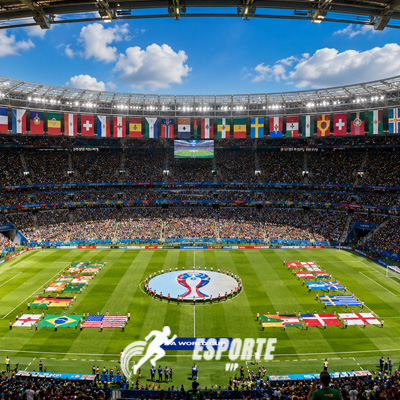
The 2030 tournament is designed to honor the journey of international football across an entire century.
When the first World Cup was organized in Uruguay, only thirteen national teams participated.
Today, the competition involves nearly every football nation on the planet, attracting billions of viewers and becoming one of the largest sporting events in the world.
The centenary edition reflects that extraordinary growth by connecting football’s past with its future.
The contrast between 1930 and 2030 illustrates how dramatically football has expanded.
Over the last century, the World Cup has grown through:
- More participating nations
- Larger stadiums
- Worldwide television coverage
- Advanced technology
- Global fan engagement
- Increased competitive balance
The 2030 edition represents the next chapter in that continuing evolution.
Six Nations Sharing One Vision 🌎
Unlike previous tournaments, six countries will participate directly in hosting responsibilities.
Spain, Portugal, and Morocco will organize the majority of matches, while Uruguay, Argentina, and Paraguay welcome the tournament for its symbolic opening celebration.
This cooperative approach highlights football’s ability to unite cultures, continents, and supporters through a single international event.
The Host Nations at a Glance 📍
The official host countries are:
- Spain
- Portugal
- Morocco
- Uruguay
- Argentina
- Paraguay
Each nation contributes its own football heritage while helping create a truly international tournament.
Europe and Africa Become the 2030 World Cup Main Stage ⚽
Most matches will be played across Spain, Portugal, and Morocco.
These countries provide modern stadiums, efficient transportation networks, passionate supporters, and extensive experience hosting major sporting events.
The partnership also strengthens football’s connection between Europe and Africa, offering fans a diverse collection of cities, cultures, and stadium experiences throughout the competition.
Why This Partnership Is Significant for 2030 World Cup ⭐
Hosting together provides several important advantages.
These include:
- Modern football infrastructure
- Geographic proximity
- High-quality stadiums
- Strong tourism industries
- Established transportation systems
- Large international fan bases
The collaboration creates one of the strongest hosting partnerships in World Cup history.
South America Returns to the Spotlight 🇺🇾🇦🇷🇵🇾
Although most of the tournament takes place elsewhere, South America remains central to the story.
Uruguay, Argentina, and Paraguay will each host a special opening match before the competition transitions to Europe and Africa.
These opening fixtures recognize the continent where the World Cup began while giving supporters an opportunity to celebrate football’s origins.
Each South American host represents a unique part of World Cup history.
- Uruguay organized the inaugural tournament.
- Argentina participated in the first World Cup Final.
- Paraguay represents one of South America’s historic football centers.
Their involvement ensures that the centenary celebration remains closely connected to the competition’s origins.
Tournament Format and 2030 World Cup Competition Structure 📊
The 2030 World Cup is expected to continue with the expanded format introduced during the previous tournament cycle.
This structure allows greater global representation while increasing the number of knockout matches.
The expected competition includes:
- 48 national teams
- 12 groups
- Group-stage competition
- Round of 32
- Round of 16
- Quarterfinals
- Semifinals
- Final
With more than one hundred matches scheduled, the tournament will offer supporters nearly six weeks of football.
Benefits of the Expanded Format 📈
The larger competition provides several advantages.
Among them are:
- More nations qualifying
- Greater continental representation
- Additional knockout matches
- More opportunities for emerging teams
- Increased competitive diversity
Every confederation benefits from broader participation.
Stadiums That Could Become World Cup Icons 🏟️
Several legendary football venues are expected to welcome World Cup matches.
Alongside historic stadiums, newly developed arenas could showcase the latest innovations in sports architecture and fan experience.
Each venue will contribute its own atmosphere and identity to the tournament.
Potential host venues include:
- Santiago Bernabéu
- Camp Nou
- Metropolitano Stadium
- Estádio da Luz
- Estádio do Dragão
- Hassan II Stadium
- Estadio Centenario
- Estadio Monumental
The final allocation of matches will be confirmed closer to the tournament.
Watch Brazil vs Haiti live with tactical analysis, predicted lineups, key stats, and crucial FIFA World Cup 2026 Group C implications.
Travel, Logistics and Tournament Planning ✈️
No previous World Cup has required planning across three continents.
Tournament organizers must coordinate transportation, accommodation, security, broadcasting, scheduling, and recovery periods while maintaining competitive fairness for every national team.
The scale of preparation makes the 2030 edition one of the most ambitious sporting projects ever attempted.
Planning efforts focus on:
- International travel
- Match scheduling
- Team recovery
- Stadium operations
- Fan transportation
- Environmental sustainability
Balancing these factors will be essential for a successful tournament.
Nations Expected to Compete for the Trophy 🥇
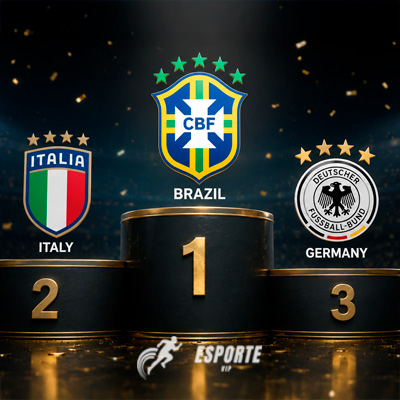
Although qualification is still years away, several traditional football powers are already expected to be among the strongest contenders.
Likely favorites include:
- Brazil
- Argentina
- Spain
- France
- England
- Portugal
- Germany
- Italy
Emerging national teams could also challenge for deep tournament runs as new generations of players continue to develop.
Success in a tournament of this size will require more than individual talent. The eventual champion will likely combine:
- Tactical flexibility
- Squad depth
- Defensive consistency
- Efficient finishing
- Physical endurance
- Strong leadership
Managing a long competition across multiple countries will become an important competitive factor.
A Tournament That Goes Beyond Football 🚀
The 2030 World Cup represents much more than a championship.
It is a celebration of football’s global growth, bringing together six nations, three continents, and one hundred years of unforgettable history.
For supporters around the world, the tournament promises world-class football and one of the most culturally diverse sporting events ever organized.
As preparations continue, anticipation will only grow for a competition that aims to honor the past while showcasing the future of the beautiful game.
FAQ
1. Why is the 2030 World Cup considered historic?
- It celebrates the 100th anniversary of the FIFA World Cup and will be the first edition played across three continents.
2. Which countries are hosting the tournament?
- Spain, Portugal, and Morocco are the primary hosts, while Uruguay, Argentina, and Paraguay will stage the centenary opening matches.
3. How many teams are expected to participate?
- The tournament is currently planned to feature 48 national teams using the expanded World Cup format.
4. Why are matches being played in South America?
- The opening matches honor the first World Cup, hosted by Uruguay in 1930, and recognize the historical importance of Argentina and Paraguay in international football.
5. What makes the 2030 World Cup different from previous editions?
- Its unique combination of six host nations, and a centenary celebration makes it one of the most ambitious and symbolic tournaments in FIFA history.
