
Buy the Best Camera Phone Now and Shoot Like a Professional With Your Pocket Device
Learn how the best camera phone delivers studio-quality photos and videos using large sensors, advanced optics, and AI-driven imaging pipelines.
Finding the best camera phone in 2026 requires a technical mindset.
Flagship devices now integrate large sensors, multi-lens arrays, dedicated image signal processors, and AI models that transform raw data into stunning photos and videos.
Explore iPhone 16 pro max finance options that let you spread the cost intelligently while keeping room in your budget for your plan.
How the Best Camera Phone Pipeline Works From Capture to Final Image 📸
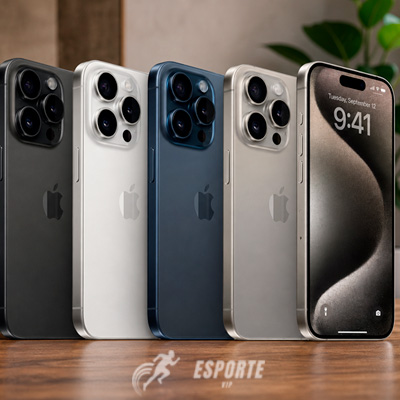
Every camera follows a multi-stage imaging pipeline that begins with light hitting the sensor and ends with a processed image ready for sharing.
The difference between good and great results is how efficiently this pipeline is executed.
Modern phones capture multiple frames, align them, reduce noise, merge exposure data, and apply tone mapping in milliseconds.
This is why computational photography is the backbone of any phone.

Key Hardware Components That Define the Best Camera Phone 📊
Understanding the hardware stack is essential when evaluating the camera. Each component contributes directly to clarity, dynamic range, and consistency.
Sensor Size Pixel Binning and Dynamic Range 📷
Larger sensors improve low-light performance and dynamic range. Pixel binning combines adjacent pixels to enhance light sensitivity.
- 1-inch sensors deliver superior highlight and shadow retention
- Quad-pixel or nona-binning improves low-light results
- Native ISO range affects noise and detail preservation
Phones with bigger sensors consistently rank as the best camera options for night and indoor photography.
Lens Stack Aperture and Optical Quality 🔍
Lens quality defines how accurately light is focused onto the sensor.
- Wide apertures (f/1.6–f/1.8) capture more light
- Multi-element lenses reduce distortion and flare
- Coatings minimize ghosting in high-contrast scenes
A well-designed lens system is critical for any best camera , especially for portraits and night shots.
Image Signal Processor and Neural Engines 🤖
The ISP and neural engine execute real-time processing tasks.
- Multi-frame HDR fusion for balanced exposure
- Semantic segmentation for sky, skin, and objects
- Super-resolution for enhanced zoom detail
These systems differentiate the best phone from midrange devices even with similar sensors.
Stabilization OIS EIS and Sensor Shift 📹
Stabilization impacts both photo sharpness and video smoothness.
- OIS compensates for hand movement optically
- EIS uses software to smooth motion
- Sensor-shift stabilization improves micro-adjustments
For creators, stabilization is a defining factor of the best camera phone for video work.
Top 4 Best Camera Phone Models With Pro-Level Analysis 📱
Below are four devices that consistently rank as the best camera choices due to their balanced hardware and software ecosystems.
Apple iPhone 15 Pro Max Pro Imaging Stack 📱
- 48MP main with quad-pixel binning
- 1/1.28″ sensor with excellent color science
- 5x tetraprism optical zoom
- ProRAW and ProRes workflows
Strength: industry-leading video, consistent exposure, and color accuracy across scenarios.
Samsung Galaxy S24 Ultra Multi-Zoom System 📱
- 200MP HP2 sensor with high-detail capture
- Dual telephoto (3x and 10x optical)
- Advanced AI sharpening and scene optimization
Strength: best-in-class zoom and detail retention at long distances.
Google Pixel 8 Pro AI Photography Engine 📱
- 50MP main with strong HDR pipeline
- Tensor G3 for computational photography
- Night Sight and Real Tone
Strength: top-tier low-light and natural color reproduction driven by software.
Xiaomi 14 Ultra 1-inch Sensor With Variable Aperture 📱
- 1-inch Sony LYT-900 sensor
- Variable aperture (f/1.6–f/4.0)
- Leica color profiles and RAW control
Strength: DSLR-like control and superior light capture for enthusiasts.
Technical Specification Table for Best Camera Phone 📋
| Model | Sensor Size | Aperture Range | Video |
| iPhone 15 Pro Max | 1/1.28″ | f/1.78 | 4K ProRes |
| Galaxy S24 Ultra | 1/1.3″ | f/1.7 | 8K |
| Pixel 8 Pro | 1/1.31″ | f/1.68 | 4K HDR |
| Xiaomi 14 Ultra | 1-inch | f/1.6–f/4.0 | 4K Pro |
Common Pitfalls When Buying the Best Camera Phone ⚠️
Even experienced buyers can misjudge the best camera phone if they focus on the wrong metrics.
- Overvaluing megapixels without checking sensor size
- Ignoring storage needs for 4K/8K video files
- Underestimating the importance of software updates
- Choosing based on brand rather than use case
Avoiding these pitfalls leads to a more satisfying long-term purchase.
Future Trends Shaping the Best Camera Phone Market 🚀
The best camera phone category continues to evolve rapidly with innovations that will redefine mobile photography.
- Larger sensors approaching compact camera sizes
- AI-driven editing directly on-device
- Advanced computational video (HDR, depth, segmentation)
- Hybrid optical-digital zoom with AI super-resolution
These trends suggest smartphones will continue closing the gap with dedicated cameras.
Choose the best cell phones Samsung: understand processors and long-term software support to protect your investment.
Capture Every Detail With the Best Camera Phone and Elevate Your Content Creation 🌟
Choosing the best camera phone today means investing in a complete imaging system that combines optics, sensors, and intelligent software.
The right device allows you to produce professional-grade photos and videos in any environment while maintaining speed and convenience.
By aligning your choice with your creative goals and understanding the underlying technology, you ensure that your smartphone becomes a powerful tool.
FAQ ❓
- What defines the best camera phone today?
- A combination of sensor size, optics, and computational photography determines performance.
- Is 200MP better than 48MP?
- Not necessarily; sensor quality and processing matter more than resolution alone.
- Which phone is best for video creators?
- iPhone models lead due to stabilization and professional codecs.
- What is periscope zoom?
- A lens system that uses prisms to achieve long optical zoom without losing quality.
- Do camera phones replace DSLRs?
- For most users yes, but professionals still benefit from larger sensors and lenses.
